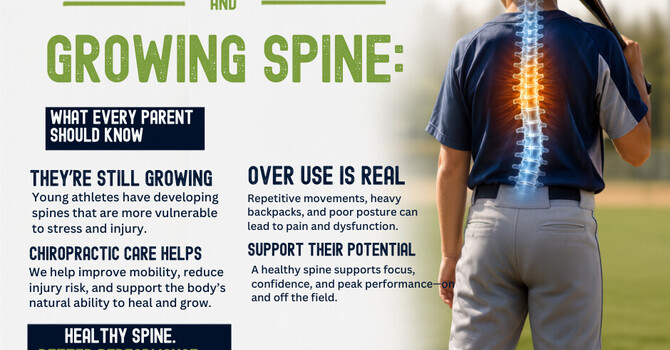
Posture is one of the most misunderstood aspects of health.
Most people think posture is simply about “sitting up straight” or looking confident. In reality, posture is a direct reflection of how your spine, nervous system, muscles, and joints are working together. When posture breaks down, it doesn’t just affect how you look, it affects how your body functions. I spend a lot of time helping patients understand that posture is not about perfection. It’s about balance, movement, and communication between the brain and body.
Your Spine Is a Communication Highway
Your spine isn’t just a stack of bones it also protects the spinal cord, which is the main communication pathway between your brain and the rest of your body. When posture is poor:
-
Joints lose normal motion
-
Muscles become overworked or underused
-
Nerves can become irritated or stressed
Over time, this alters how the brain receives and sends signals, which can show up as pain, stiffness, fatigue, headaches, or even reduced coordination and balance. Maintaining good posture can help keep that communication clear and efficient.
Poor Posture Creates Stress—Even Without Pain
One of the most important things I teach patients is that you don’t have to be in pain for posture to be a problem. When your head shifts forward, shoulders round, or pelvis tilts, your body has to work harder just to hold you upright. That extra effort creates constant low-level stress on the muscles and nervous system.
Your body adapts to that stress, but adaptation comes at a cost:
-
Increased muscle tension
-
Reduced joint mobility
-
Faster fatigue
-
Slower recovery
Posture problems often show up before pain does. By the time pain appears, the body has usually been compensating for quite a while.
Posture Affects More Than Your Back
Because the nervous system controls every system in your body, posture can influence far more than just your spine.
Poor posture has been linked to:
-
Decreased breathing efficiency
-
Digestive discomfort
-
Reduced energy levels
-
Increased tension headaches
-
Slower healing and recovery
When the spine is balanced and moving well, the body is better equipped to regulate itself. That’s why posture is a whole-body wellness issue, not just a back problem.
Posture Is Dynamic, Not Static
Another common misconception is that posture means holding one perfect position all day. In reality, the best posture is the one you move out of often. Healthy spines are designed to move. Problems arise when we stay in the same position for too long. This includes sitting, standing, or looking down at a screen.
Good posture is really about:
-
Joint mobility
-
Muscle balance
-
Nervous system adaptability
Chiropractic care supports posture by restoring motion to the spine and helping the body relearn more efficient movement patterns.
How ChiroHabit Supports Better Posture
I don’t just tell patients to “sit up straight.”
I look at:
-
Spinal alignment and mobility
-
Muscle imbalances
-
Postural habits at work and home
-
How the nervous system is responding to stress
Chiropractic adjustments help improve joint motion and reduce nervous system interference, making it easier for your body to naturally support better posture—without constant effort or tension.
When posture improves, patients often notice:
-
Less stiffness
-
Fewer headaches
-
Better energy
-
Improved comfort throughout the day
Small Changes Make a Big Difference
Posture doesn’t improve overnight, but it does improve with consistent support and awareness.
Simple steps like:
-
Taking movement breaks
-
Adjusting workstation ergonomics
-
Receiving regular chiropractic care
-
Being mindful of head and shoulder position
can have a powerful impact over time.
Your posture is a window into your overall health not about being rigid. It’s about giving your body the structure and movement it needs to function at its best. When your spine moves well and your nervous system communicates clearly, your body is better equipped to heal, adapt, and thrive. If you’ve been dealing with stiffness, fatigue, or recurring discomfort, posture may be a bigger piece of the puzzle than you realize.
And that’s where chiropractic care can make a real difference.
— John Giusti, DC
.jpg)