.png)
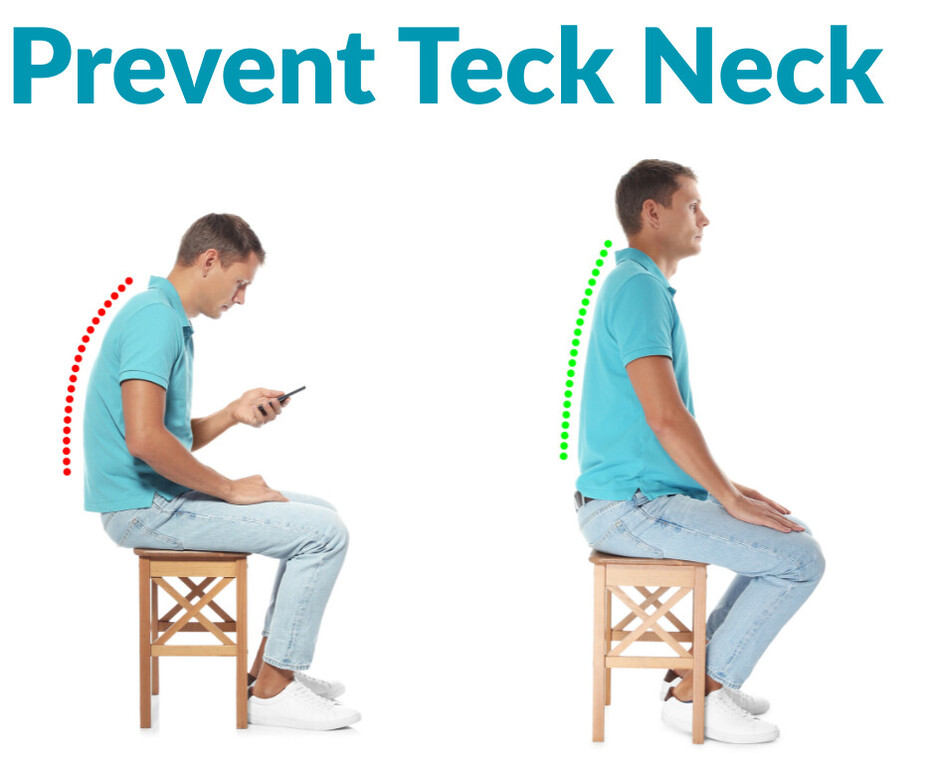
Tech Neck in Adults and Teens: Prevention Starts Now
Take a look around almost anywhere—coffee shops, waiting rooms, classrooms, and even living rooms. Most people are looking down at a phone, tablet, or laptop. In my opinion, this everyday habit is quietly creating one of the most common modern health problems: Tech Neck.
Both adults and teens are spending more time than ever on devices. While technology keeps us connected and productive, the way we use it can put a surprising amount of stress on the neck, spine, and nervous system.
The good news is that tech neck is largely preventable when we start paying attention to posture and daily habits.
What Is Tech Neck?
Tech neck refers to neck and upper back strain caused by looking down at screens for long periods of time. When the head tilts forward, the weight placed on the neck increases dramatically.
Your head weighs about 10–12 pounds in a neutral position. But as the head moves forward, the strain multiplies:
-
15° forward = about 27 pounds of pressure
-
30° forward = about 40 pounds
-
60° forward = up to 60 pounds of pressure on the neck
-
it’s not surprising that so many people today deal with neck stiffness, headaches, shoulder tension, and upper back pain.
Why Teens Are Especially at Risk
Teens today are growing up in a world of constant screen use—phones, gaming systems, tablets, and laptops for school.
Because their bodies are still developing, long periods of poor posture can affect:
-
Spinal alignment
-
Muscle balance
-
Posture habits that carry into adulthood
In my opinion, prevention is especially important for teens because the habits they build now can influence their spinal health for years to come.
Signs You Might Have Tech Neck
Many people don’t realize tech neck is developing until symptoms become consistent. Some common warning signs include:
-
Neck stiffness or soreness
-
Tight shoulders
-
Upper back discomfort
-
Frequent headaches
-
Reduced neck mobility
-
Tingling or fatigue in the arms
Sometimes people also notice they naturally lean forward when standing or sitting, which can be a sign that posture habits are changing.
Simple Ways to Prevent Tech Neck
The best way to manage tech neck is by improving daily habits. Small changes can make a big difference over time.
1. Raise Your Screen
Hold phones closer to eye level instead of looking down at them.
2. Check Your Posture
Try to keep ears aligned over shoulders, not drifting forward.
3. Take Movement Breaks
Every 20–30 minutes, stand up, stretch, or move your neck and shoulders.
4. Strengthen Posture Muscles
Exercises that support the upper back and shoulders can help counteract forward posture.
5. Limit Continuous Screen Time
Encourage teens to balance screen time with physical movement and outdoor activity.
The Spine–Nervous System Connection
The neck is more than just a structure holding up the head—it protects part of the central nervous system. When posture and movement are restricted, it can affect how the body adapts to stress and movement.
In my opinion, maintaining good spinal mobility helps the body move and function more efficiently, especially in a world where screen use isn’t going away anytime soon.
Prevention Starts With Awareness
Tech neck isn’t just a problem for adults with desk jobs anymore. It’s something affecting students, athletes, parents, and professionals alike.
By becoming more aware of posture and encouraging healthier device habits, we can help prevent unnecessary strain on the neck and spine.

.jpg)