.png)

Sports Taping for Young Athletes: Support, Stability &
Injury Prevention
By Dr. John Giusti, D.C., Chiropractor at ChiroHabit
Walk onto almost any field, court, or track these days and you'll see young athletes wearing some form of sports tape. From brightly colored kinesiology tape on shoulders and knees to traditional athletic tape around ankles and wrists, taping has become a common part of youth sports.
But does it actually help?
The short answer is yes—when it's used appropriately.
One of the biggest misconceptions about sports taping is that it's designed to "fix" an injury. In reality, taping is best viewed as a tool that can provide support, improve body awareness, and help athletes move more efficiently while they're training and competing.
Let's take a closer look at the science behind sports taping and why it can be beneficial for growing athletes.
What Does Sports Taping Actually Do?
Sports tape doesn't make muscles stronger or instantly prevent injuries.
What it does is influence how the body moves and how the nervous system receives information.
Whether it's kinesiology tape or traditional athletic tape, the goal is usually one or more of the following:
- Provide support to stressed tissues
- Improve joint stability
- Increase body awareness
- Reduce excessive movement
- Help athletes maintain better mechanics during activity
Think of sports taping as a reminder system for the body rather than a replacement for strength or conditioning.
The Nervous System Plays a Bigger Role Than Most People Realize
One of the most interesting benefits of sports taping has nothing to do with the tape itself.
It has to do with the nervous system.
Your skin contains thousands of sensory receptors that constantly send information to the brain about movement and position.
When tape is applied correctly, it stimulates those receptors and increases awareness of a specific area.
For example, if an athlete has a tendency to let their knee collapse inward while running or jumping, tape may help increase awareness of that movement pattern.
The result isn't that the tape forces the body into position.
Instead, it helps the athlete recognize and control movement more effectively.
Why Growing Athletes Often Benefit from Taping
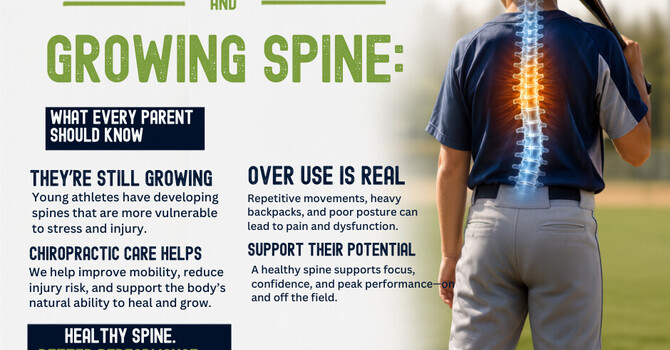
Young athletes experience unique challenges because their bodies are constantly changing.
During growth spurts:
- Bones grow rapidly
- Muscles often become tighter
- Coordination can temporarily decrease
- Joint stability may fluctuate
This is why athletes sometimes seem more injury-prone during periods of rapid growth.
Sports taping can provide an extra layer of support while the body adapts to these changes.
It can be particularly helpful during:
- Tournament weekends
- High-volume training periods
- Recovery from minor injuries
- Growth spurts that affect movement patterns
Taping Can Help Support Better Movement
One of the biggest goals in sports medicine is helping athletes move efficiently.
When movement becomes inefficient, the body starts compensating.
For example:
- An unstable ankle can affect the knee.
- A weak hip can influence the lower back.
- Poor shoulder mechanics can increase stress on the elbow.
Taping can help support proper movement patterns by encouraging stability in key areas during activity.
The goal isn't to restrict healthy movement. The goal is to help guide the body toward more efficient movement.
Common Areas That May Benefit from Sports Taping
Every athlete is different, but some of the most commonly taped areas include:
Ankles
Ankle sprains are among the most common injuries in youth sports. Taping can provide additional support during practices and games, especially for athletes with a history of ankle injuries.
Knees
Taping may help improve awareness and support around the knee during running, jumping, and cutting movements.
Shoulders
Throwing athletes often place significant demands on the shoulder complex. Taping can provide support while helping athletes maintain better movement mechanics.
Wrists
Athletes in gymnastics, baseball, softball, and racquet sports may benefit from additional wrist support during repetitive activities.
Taping Is Not a Substitute for Strength
This is one of the most important things for parents and athletes to understand.
Tape is a tool—not a solution.
If an athlete has:
- Poor stability
- Weakness
- Limited mobility
- Faulty movement patterns
Those issues still need to be addressed.
The best injury prevention strategy combines:
- Proper conditioning
- Strength training
- Mobility work
- Recovery
- Good movement mechanics
Taping can support these efforts, but it shouldn't replace them.
Injury Prevention Starts Before Pain
One of the biggest mistakes athletes make is waiting until something hurts before paying attention to it.
The body often gives warning signs first:
- Tightness
- Fatigue
- Reduced mobility
- Changes in movement quality
Sports taping can be one part of a proactive approach to keeping athletes healthy throughout the season.
When combined with proper training and recovery, it may help reduce unnecessary stress on joints and soft tissues.
The Chiropractic Perspective
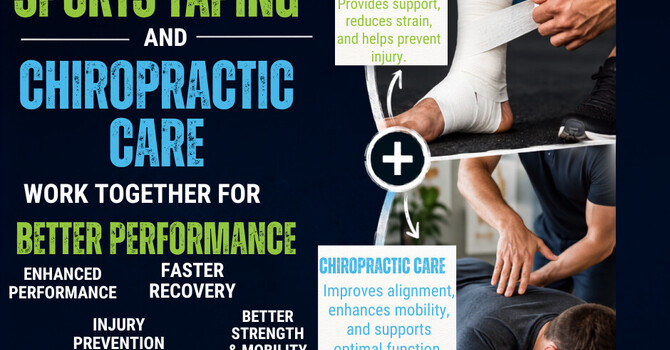
At ChiroHabit, sports taping is viewed as one piece of a larger performance and injury-prevention strategy.
When evaluating a young athlete, it's important to look at:
- Movement patterns
- Joint mobility
- Balance
- Stability
- Recovery habits
- Growth-related changes
Sometimes the area that hurts isn't the area causing the problem.
A knee issue may begin with poor foot mechanics. A shoulder issue may start with limited mobility in the spine.
The goal is always to understand how the entire body is working together and support healthy movement from the ground up.
The Bottom Line
Sports taping can be a valuable tool for young athletes by providing support, improving body awareness, and promoting better movement patterns during activity.
However, tape works best when it's part of a larger plan that includes strength, conditioning, recovery, and proper biomechanics.
Growing athletes place unique demands on their bodies. Supporting those bodies with smart training strategies—including sports taping when appropriate—can help them stay healthier, perform better, and continue enjoying the sports they love.
Dr. John Gisti, D.C.
Chiropractor | Educator | ChiroHabit
"The goal isn't just to help athletes play today—it's to help them build bodies that can perform and stay healthy for years to come."

.jpg)